


RIFF 2026 offers an abundance of outstanding cinema, with something for everyone across the festival programme. We asked RIFF Festival Director Hrönn Marinósdóttir to select a handful of this year’s films that hold a special place in her heart. Her choices are wonderfully varied—which is hardly surprising, as Hrönn has attended most of the year’s major film festivals in search of films for the RIFF programme.
“I think this year’s RIFF selection is one of our strongest yet, and there are so many films I cannot wait to share with festival audiences,” says Hrönn. “We are also welcoming an exceptionally strong group of international film professionals, who will appear at RIFF and take part in panel discussions following selected screenings as part of what we call Impact Talks. “I strongly encourage audiences to look out for screenings that include one of these post-film conversations. They add so much to the experience of seeing the film, opening up a broader discussion of the themes and issues explored in each work.”
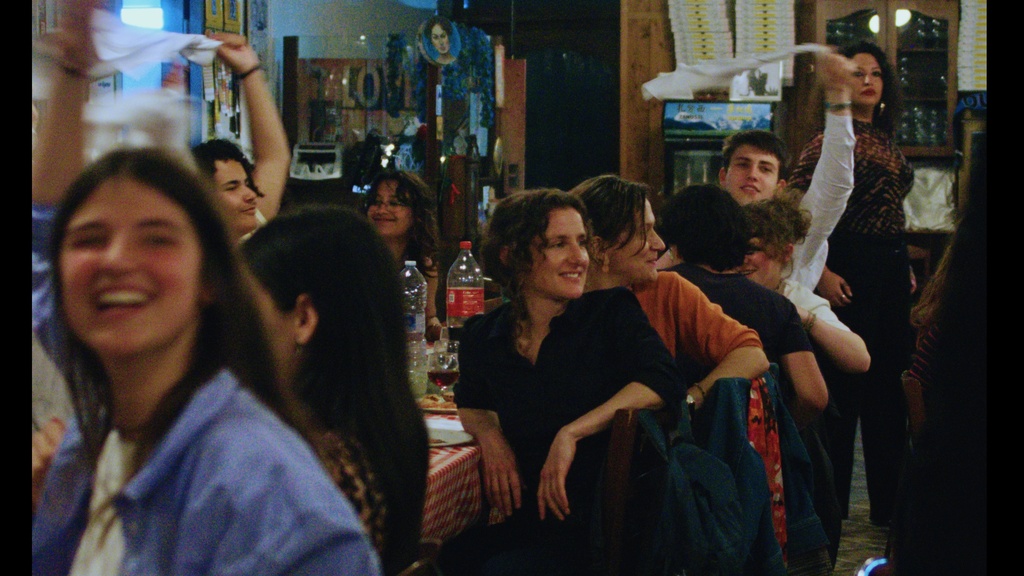
La Gradiva
Director: Marine Atlan
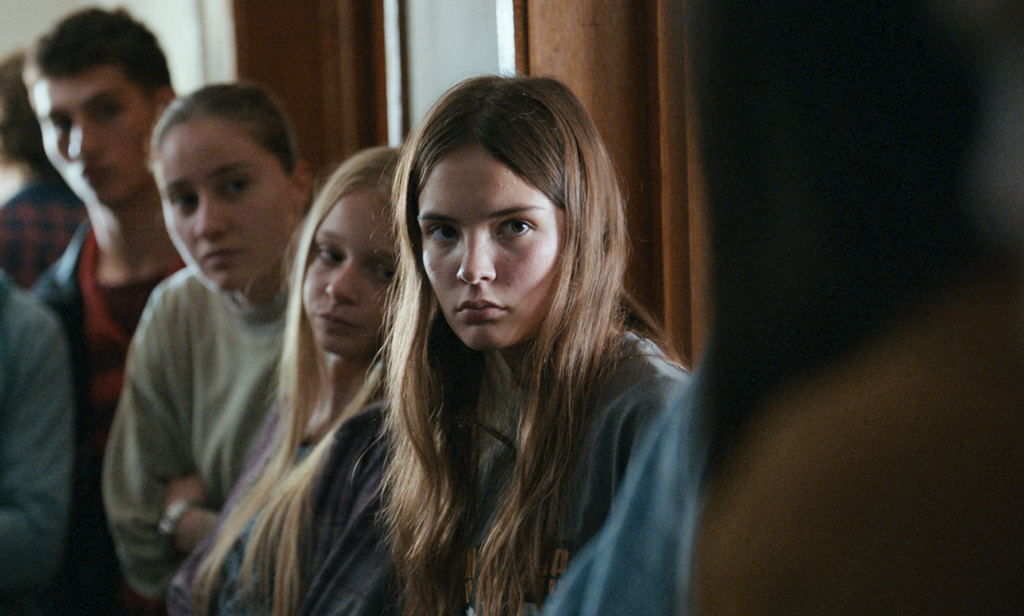
A class of high school students travels to Pompeii to explore the ruins and the bodies preserved beneath the ash by Mount Vesuvius. The trip becomes a unique moment in which the energy of youth encounters a world where time has stood still. Their desires rise to the surface with unexpected intensity, eventually causing the fragile social dynamic the group has created to unravel.
Club Kid
Director: Jordan Firstman
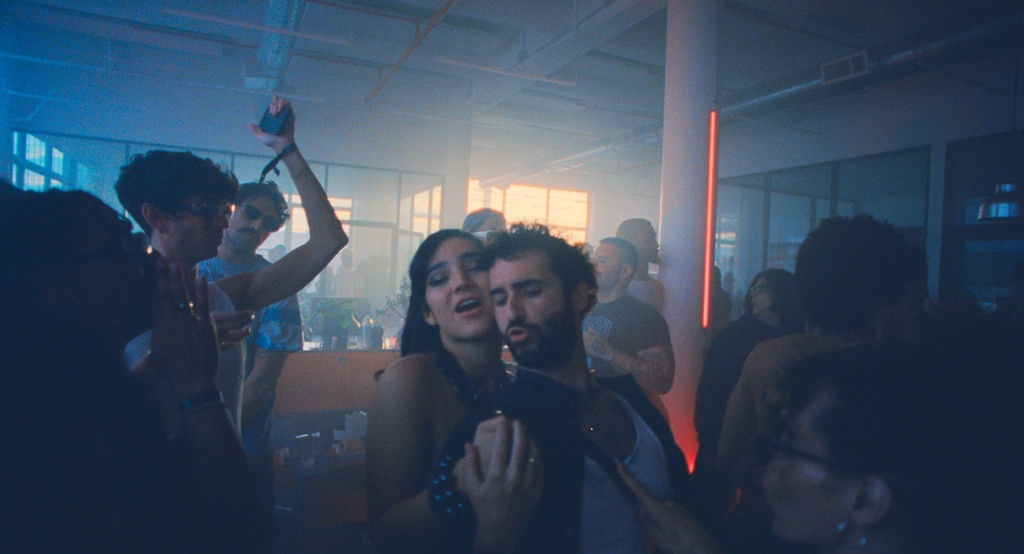
Club Kid is an award-winning film about Peter, a hard-partying New York nightclub entertainer who lives a reckless and hedonistic life. Suddenly, he discovers that he has a ten-year-old son he never knew existed. Forced to take responsibility for the boy, his life gradually begins to change. The film blends humor, nightlife, emotion, and a story about unexpected fatherhood and growing up.
Fatherland
Director: Paweł Pawlikowski
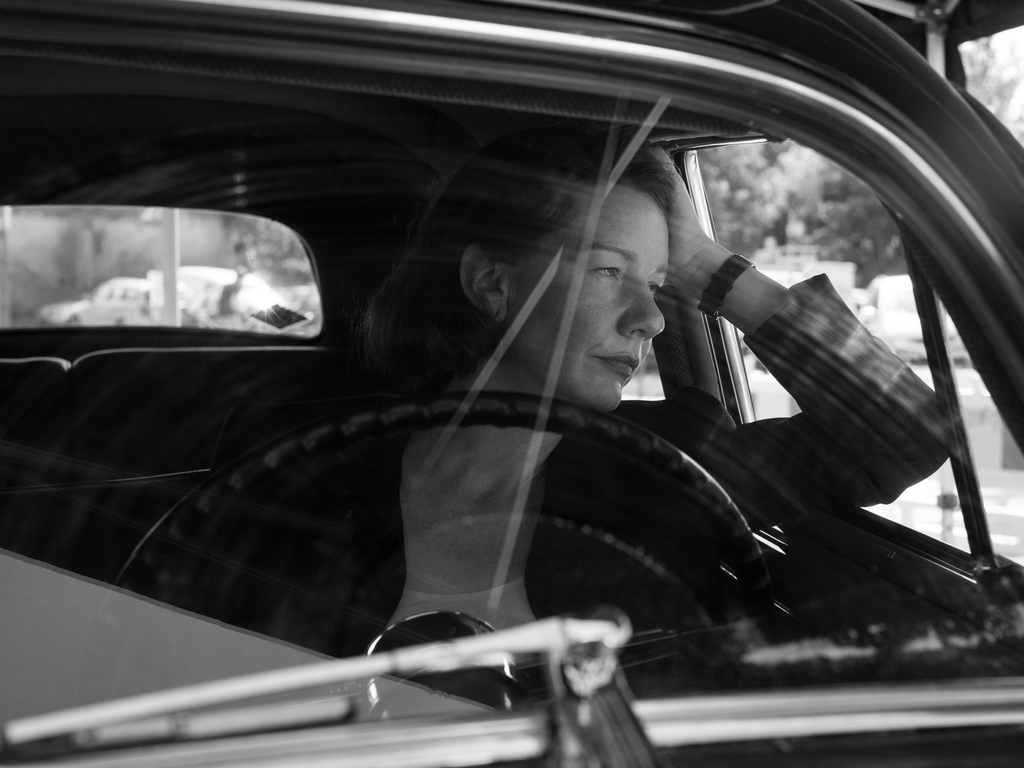
In 1949, German writer Thomas Mann and his daughter Erika embark on a road trip across a Germany in ruins, from US-dominated Frankfurt to Soviet-controlled Weimar.
Dua
Director: Blerta Basholli
Dua is set in Pristina in the late 1990s, as tensions between ethnic groups escalate and the Kosovo War draws closer. Just 13 years old, Dua is grappling with the changes of adolescence as well as the difficult circumstances in her society. When a particular incident makes her a target, she forms a close bond with Maki, a courageous girl who encourages her to resist and assert her independence.

Heat
Leikstjóri: Jacqueline Zünd
Climate change disrupts lives and relationships – especially in the Persian Gulf, where temperatures can exceed 50°C and society is divided between the privileged few who can protect themselves and migrants who have no choice but to endure the heat in order to make ends meet.
Christiania
Director: Karl Friis Forchhammer
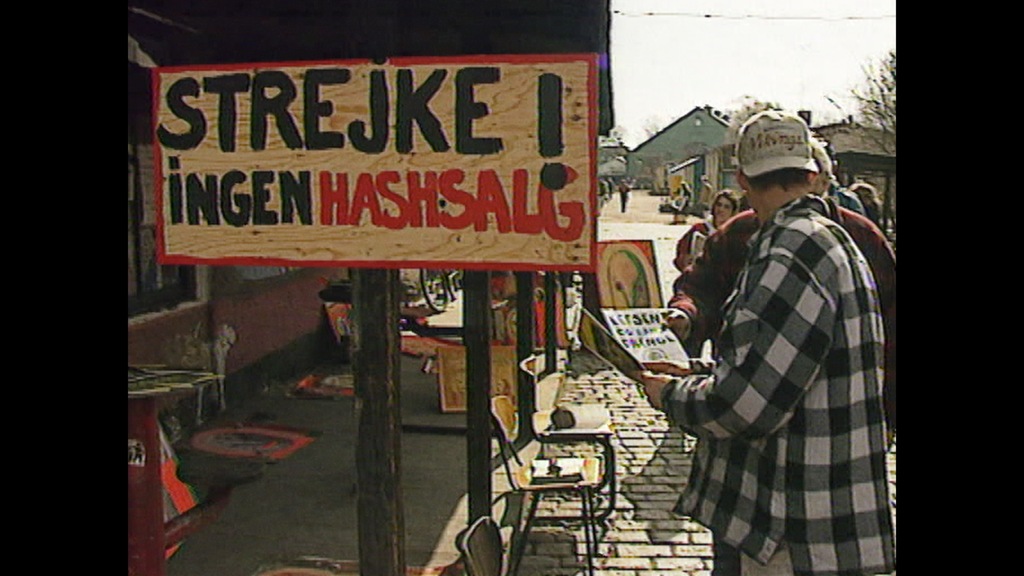
Through extraordinary and hard-hitting stories spanning more than 50 years, CHRISTIANIA explores how a community built on freedom, consensus and resistance continues to fight for its right to exist, on its own terms.
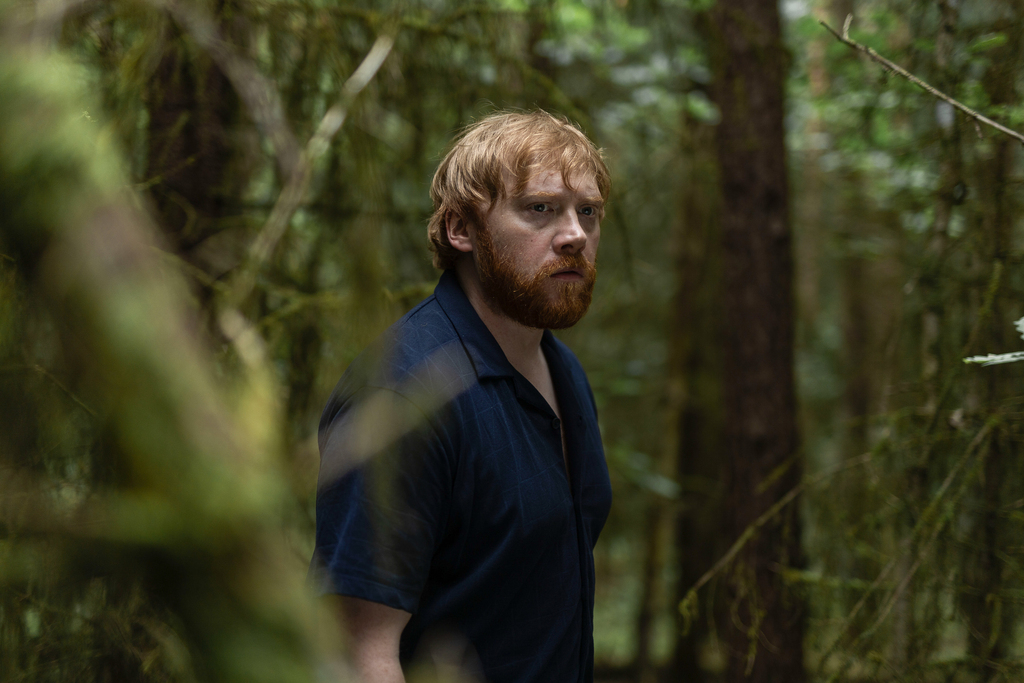
Nightborn
Director: Hanna Bergholm
In Finnish forest, Saga and her husband Jon embark on a new chapter as parents. But Saga’s joy is overshadowed by a chilling suspicion about their newborn, unbeknownst to Jon, causing a rift as she alone grapples with the disturbing truth.
Lucy Lost
Director: Olivier Clerty
On the Isles of Scilly in 1915, young Lucy is raised by a close-knit community of fishermen, with only faint memories of her past. As the Great War rages across the continent, an encounter with a mysterious girl her own age helps her piece together her forgotten story—and discover where she belongs in the world.